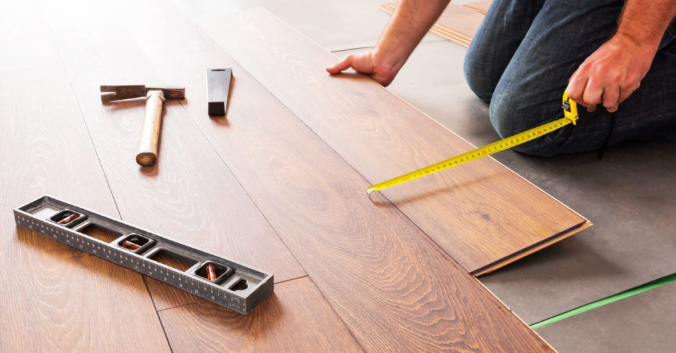
Choosing the right flooring starts with assessing traffic, moisture, and exposure. The guide explains how to compare materials, plan a clean subfloor, and set accurate center lines and expansion gaps. It covers dry-fitting, adhesive versus fasteners, and appropriate underlayment. Practical steps emphasize alignment and consistent spacing during installation. Afterward, it outlines checks for moisture and gaps, plus maintenance and quick fixes. A straightforward approach keeps the project on track, but the next steps hold crucial details that influence long-term performance.
How to Pick the Right Floor for Your Space
Choosing the right floor begins with assessing function, durability, and moisture. The selection process emphasizes practicality: match space use to material performance, maintenance, and comfort. Consider traffic patterns and exposure to moisture or sunlight. Flooring trends inform options without dictating choice; color pairing should harmonize with decor. A balanced decision respects budget, installation feasibility, and long-term value.
Prepare Your Subfloor and Layout Plan
Before laying new flooring, the subfloor must be clean, flat, dry, and properly prepared, and an accurate layout plan should be established to ensure fit and alignment across the space. Subfloor preparation involves inspecting for damage, leveling high spots, and addressing moisture. Layout planning defines center lines, staggered joints, and expansion gaps to guide precise installation and consistent results.
Install Your Flooring: Step-by-Step Guide
The installer begins by verifying the laid-out center lines and expansion gaps, then proceeds with dry-fitting planks or tiles to confirm alignment and fit across the room before applying adhesive or fasteners. Step-by-step execution covers layout checks, cutting, and positioning, with attention to flooring color trends and underlayment options, ensuring a stable, even surface and consistent expansion control throughout installation, without unnecessary detours.
Finishing Touches, Maintenance, and Troubleshooting
After installation, attention shifts to finishing touches, ongoing maintenance, and practical troubleshooting strategies. Regular inspection identifies wear, gaps, or moisture issues early, reducing long-term costs.
Implement a flooring warranty by adhering to manufacturer guidelines and using compatible cleaners.
Practice stain prevention with prompt blotting, protective mats, and minimal water exposure; address scratches by appropriate refinishing steps to maintain appearance and performance.
Frequently Asked Questions
How Long Does Each Flooring Type Typically Last?
Answer: Durability varies by type; hardwoods last about 25–100 years, vinyl 20–40, laminate 15–30, tile 50+ with proper care, and carpet 5–15. Wear and tear and maintenance tips shape longevity for each surface.
Do I Need a Permit for DIY Floor Installs?
Some jurisdictions require a permit for DIY floor installs; timing depends on local code. Permit timing can vary, and permit scope may include electrical, plumbing, or structural work. The planner weighs risk against freedom and compliance.
Can I Install Floors Over Concrete?
Can I install over concrete? Yes, it can be done with proper moisture testing, subfloor preparation, and appropriate underlayment. The feasibility depends on slab condition, climate, and chosen flooring system; precision and planning enable durable, flexible flooring results.
What Tools Are Essential for Beginners?
Essential tools for beginners include a utility knife, measuring tape, straightedge, chalk line, hammer, pry bar, drill, and spacers. The answer emphasizes essential tools and beginner techniques, presented in a practical, precise, freedom-loving tone for independent learners.
See also: Renewable Energy Technologies Explained
How Do I Remove Old Flooring Safely?
Removing old flooring safely involves careful adhesive removal, using proper safety gear basics, selecting saws for stubborn flooring, and following subfloor prep steps to ensure a clean, stable surface before any new material.
Conclusion
The project concluded exactly as planned, with every decision echoing a prudent choice made earlier. A coincidental alignment—center lines matching room corners, expansion gaps breathing just enough—revealed the value of careful prep. When tools and timing converged, the floor laid cleanly, evenly, and securely. In the end, the result wasn’t luck but disciplined process: pick the right material, prepare meticulously, install precisely, and maintain consistently to preserve the achievement.